The R-410A to R-454B Transition: What Orlando AC Owners Need to Know
Published: 2026-04-25 · By BetterCold AC Repairs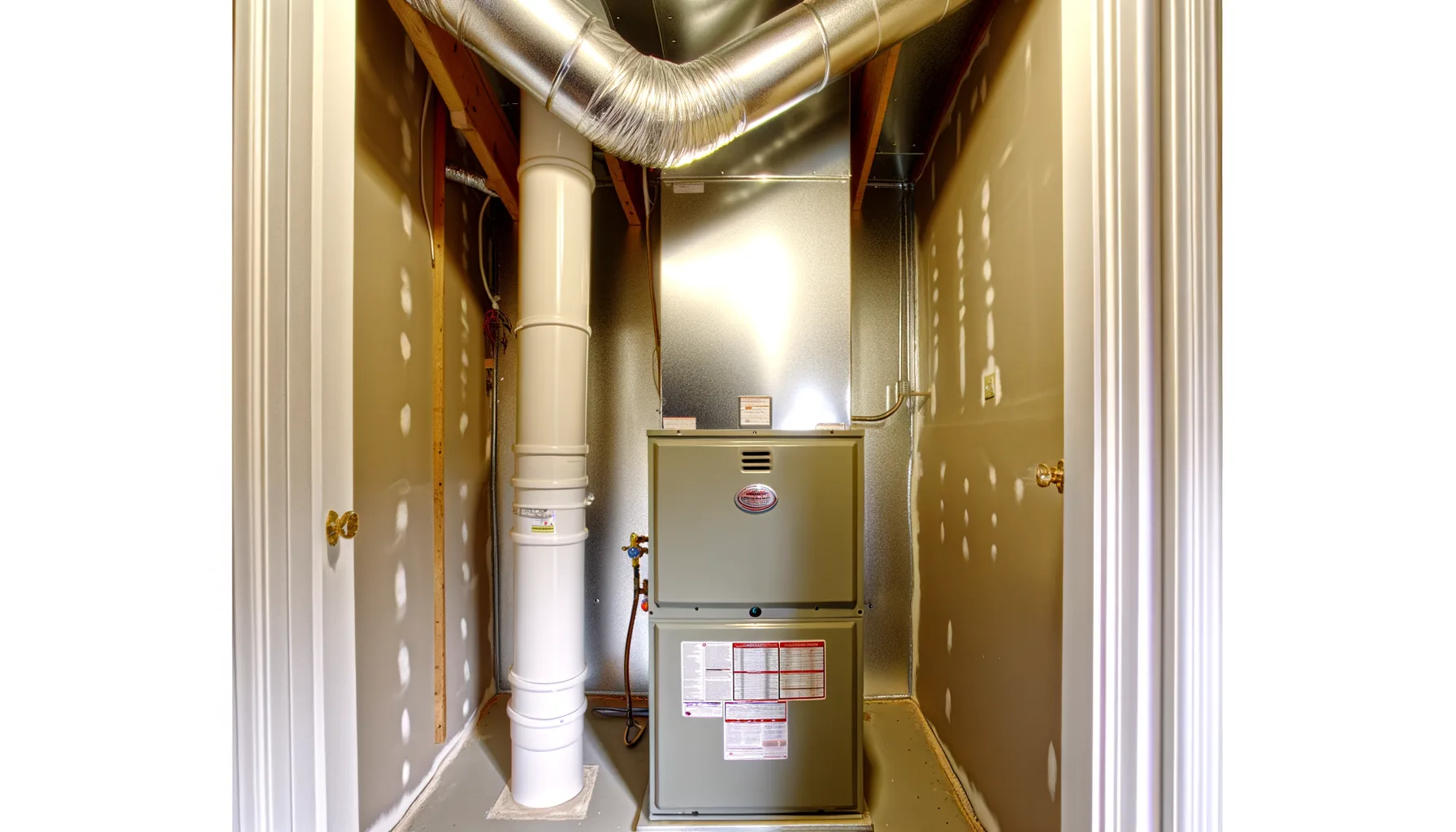
As the humidity levels rise in Orlando, Florida, homeowners often find themselves regretting a forgotten routine check on their air conditioning units. What starts as a small discomfort can quickly escalate into an emergency repair situation. With tropical storms looming on the horizon, the importance of staying cool and dry becomes even accentuated. The recent transition from R-410A to R-454B refrigerants adds another layer of complexity. It's not just about keeping your home cool anymore; it’s about understanding how this transition will affect your AC repair needs and overall home comfort.
Why This Matters for Orlando Homeowners
Orlando's unique climate makes the choice of refrigerant in air conditioning units a pressing matter. The tropical storms and high humidity not only wear down systems but also accelerate the corrosion process, especially in homes built with metal components in potentially corrosive salt air. With the change from R-410A to R-454B, homeowners need to be aware of how these refrigerants interact with their systems, particularly in high-moisture environments.
R-454B is more environmentally friendly, which is a positive change; however, not every AC unit is compatible with this new refrigerant. Homeowners who wait until their systems fail may face costly replacements instead of manageable repairs. This situation can be intensified considering that Orlando residents are already dealing with wear and tear from the elevated humidity levels.
Failure to consider these factors not only impacts comfort but also poses risks to health, making it vital for Orlando homeowners to be diligent in maintaining their air conditioning systems.
Expert Solutions & Actionable Tips
1. Identify Your Current Refrigerant
The first step in navigating the R-410A to R-454B transition is knowing what refrigerant your current air conditioning unit uses. This information is typically found on the unit’s data plate. In Orlando, many systems were installed with R-410A until the recent changes began.
If your unit uses R-410A, an upgrade may be necessary, especially as the new standard R-454B becomes more widespread. If you’re investigating new units, expect to pay anywhere from $3,500 to $7,500 depending on the size and efficiency. Inspections can cost around $100, allowing for an understanding of where your system stands.
2. Choose a Qualified Technician
When considering the transition to R-454B, it’s vital to enlist a certified technician. Not all professionals are trained to handle the newer refrigerants. In Orlando, AC repair costs can range from $75 to over $250, depending on the complexity of the issue and the technician’s expertise.
Investing in a qualified professional ensures that your existing system will either be prepared for the refrigerant change or that you receive honest advice about replacement if necessary.
3. Assess System Compatibility
Your AC system's design plays a significant role in compatibility with R-454B. If your system is beyond a decade old, it might not be able to handle the new refrigerant without parts replacement. Obtaining an evaluation can cost approximately $150.
Components like the compressor and expansion valve may require upgrades, adding to total costs. Homeowners should review manufacturer documentation or consult with their technician to confirm if any modifications are needed.
4. Schedule Routine Maintenance
Regular maintenance is crucial for maximizing the lifespan of an air conditioning system. In Orlando, this means scheduling check-ups at least twice a year, particularly before the summer months when humidity peaks. Maintenance checks can run between $90 and $150, and they will help you stay ahead of any issues related to both R-410A and R-454B systems.
During these visits, your technician will inspect vital components, identify potential corrosion issues, and ensure your system operates efficiently.
5. Understand Local Regulations
Changing from R-410A to R-454B might involve getting familiar with local Orlando regulations regarding HVAC systems. Certain permits may be required for system replacements, and these can add to costs, sometimes an additional couple of hundred dollars depending on the scope of work.
Consulting your local building code can prevent compliance issues and costly fines, ensuring you enjoy peace of mind while keeping your home comfortable.
6. Consider Environmental Impact
Switching to R-454B has notable benefits for the environment, particularly concerning the ozone layer. Although R-410A has been widely used, it possesses higher global warming potential than R-454B. Transitioning not only aligns your home with new EPA standards but may also lead to energy saving measures that could save you money in the long run.
Be prepared to factor in energy efficient upgrades, potentially costing between $500 to $1,500, which ultimately contribute positively towards environmental sustainability.
Orlando Climate & Local Context
Orlando’s climate presents unique challenges for air conditioning systems. With high humidity levels and the proximity to saltwater, homeowners must consider how environmental factors can affect their units. Elevated homes and moisture barriers are essential to protect your property from dampness and erosion caused by Florida's tropical storms.
Local building codes often reflect this necessity, requiring specific designs that accommodate extreme weather conditions. Additionally, understanding how these factors interplay with air conditioning systems is crucial as an ineffective unit can lead to higher energy bills and potential health issues due to humidity and mold growth.
When to Call a Professional
While some repairs can be done by homeowners, there are specific scenarios where professional involvement is imperative. Understanding when to DIY versus when to call BetterCold AC Repairs can save both time and unnecessary expense.
- Unusual noises coming from your unit.
- Inconsistent cooling or heating across different rooms.
- Foul odors or burning smells during operation.
- Unexplained increases in your energy bills.
- Leaking refrigerant that requires handling specialized materials.
- Corrosion on visible metal components.
- Failure of your thermostat to regulate temperature.
- Old systems that may not be compatible with R-454B.
If experiencing any of the above, it’s advisable to reach out to a qualified professional to prevent further issues.
Frequently Asked Questions
What does the transition to R-454B mean for my air conditioner?
The transition means you may need to replace your current refrigerant, especially if your system is older. R-454B is more environmentally friendly, but must be compatible with your unit.
How often should I service my AC in Orlando?
It’s recommended to service your AC system at least twice a year to ensure it operates efficiently throughout the humid Orlando seasons.
What is the cost of replacing R-410A with R-454B?
Replacing R-410A with R-454B can involve costs from $150 to several hundred dollars, depending on what additional components may need upgrades.
What should I do if my AC is leaking refrigerant?
If you detect a refrigerant leak, contact a professional immediately. This is crucial for both environmental safety and the proper functioning of your system.
Can I install a new system myself?
While some aspects can be DIY, it’s usually not recommended to install a new AC system without trained expertise, especially given the complexities of refrigerants.
Get Expert Air Conditioning Repair Service in Orlando
Don’t let the humid Orlando weather leave you uncomfortable or in need of urgent repairs. If you have concerns about your AC unit or the refrigerant type, reach out to BetterCold AC Repairs for expert advice. Our team is ready to ensure your home remains cool and welcoming.
Call (689) 215-0483 today to schedule your consultation with BetterCold AC Repairs and enjoy the peace of mind that comes with professional service.